What to do when your septic system backs up
Stop the water, keep people away, skip the drain cleaner and call a septic contractor. The order matters.
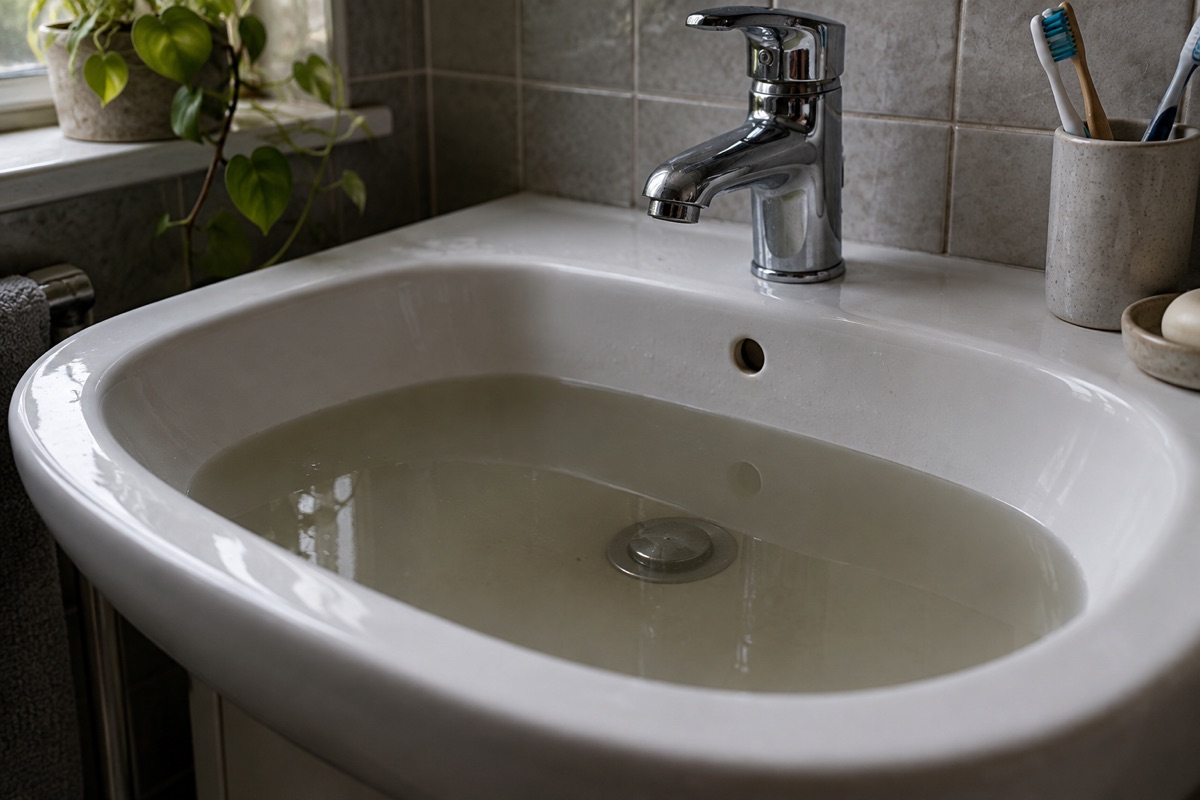
A backup is the worst way to learn something is wrong with your septic system. The steps below come from SC DES, the EPA and Clemson Extension. Most of them are about not making it worse while you wait for help.
First, stop adding water
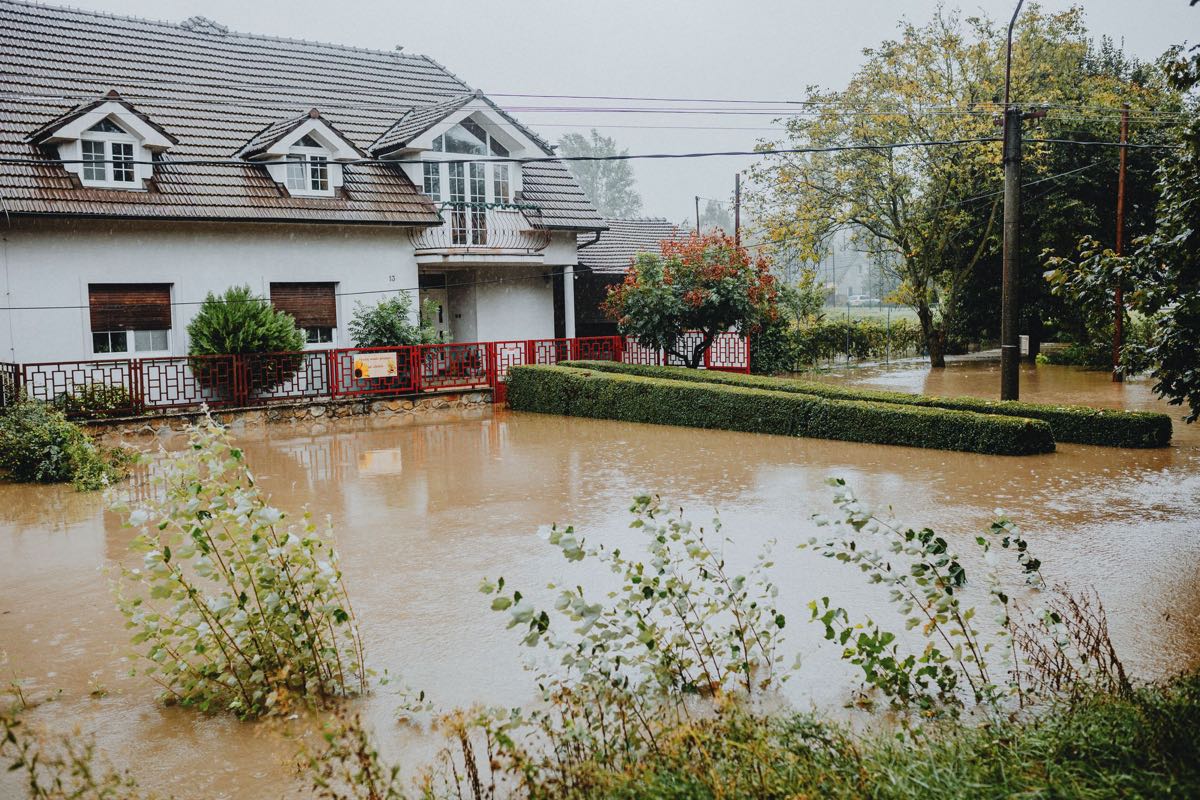
Everything you run down a drain goes into a system that may have no room for it. SC DES says that if the ground around your home and septic system is saturated, you shouldn't use toilets, the dishwasher or the washing machine, and shouldn't let any liquid down the drains. The EPA gives the same advice after flooding: drastically reduce water use in the house.
That means no showers, no laundry and no flushing until you've talked to a professional.
Keep people and pets away
Sewage carries bacteria and viruses. SC DES says backups indoors can expose your family to serious viral and bacterial hazards, and may need professional cleaning. If sewage is on the ground in the yard, keep children and pets out of that area.
If sewage has come up into a basement, SC DES says you can clean and disinfect the area yourself using a solution of a half cup of household bleach per gallon of water, and gives two warnings: wear protective equipment, and don't touch sewage with bare hands. Many owners would rather have a cleanup company do it, and that's a reasonable call.
Don't dump any cleanup water into the sink or toilet.
Don't open the tank or lean over it
SC DES is direct about this: never lean over a septic tank opening or put your head inside, because gases can overcome you and you could fall in and suffocate. Leave the tank cleaning and repairs to trained professionals. Keep flames and cigarettes away from the tank.
Skip the drain cleaner and the additive
When a drain backs up, it's tempting to grab a bottle of drain opener. SC DES says not to use caustic drain openers, which can hurt the system's bacteria. And an additive won't fix a backup either: SC DES says additives don't eliminate the need for pumping and may do more harm than good.
Call a septic contractor
SC DES says to contact a septic contractor as soon as possible to diagnose and fix whatever is causing the failure. It also says that if you have plumbing problems in your house and can't diagnose the cause, it's worth having a septic contractor inspect the system for failures.
Don't try to clear a failing tank or field yourself. Tank cleaning and repair are jobs for trained professionals.
What caused it
SC DES lists the likely culprits for a failing system, which is also what a contractor will check:
- Lack of maintenance. Solids build up too high and get forced out of the tank into the drain field.
- Missing, broken or worn tee fittings and baffles inside the tank, which keep the solids and scum where they belong.
- Incorrect installation, such as a tank facing backward, parts of the field that aren't level, or soil compacted by heavy equipment.
- Improper use, where more people live in the house than the system was designed for.
Other causes show up in the EPA and Clemson lists: a clogged drain field, a saturated field after heavy rain, tree roots, and damaged pipes. Each one needs a different fix. A tank that just needs pumping is the simple case. A field that's failing is the expensive one.
Don't pump during a flood or soaked ground
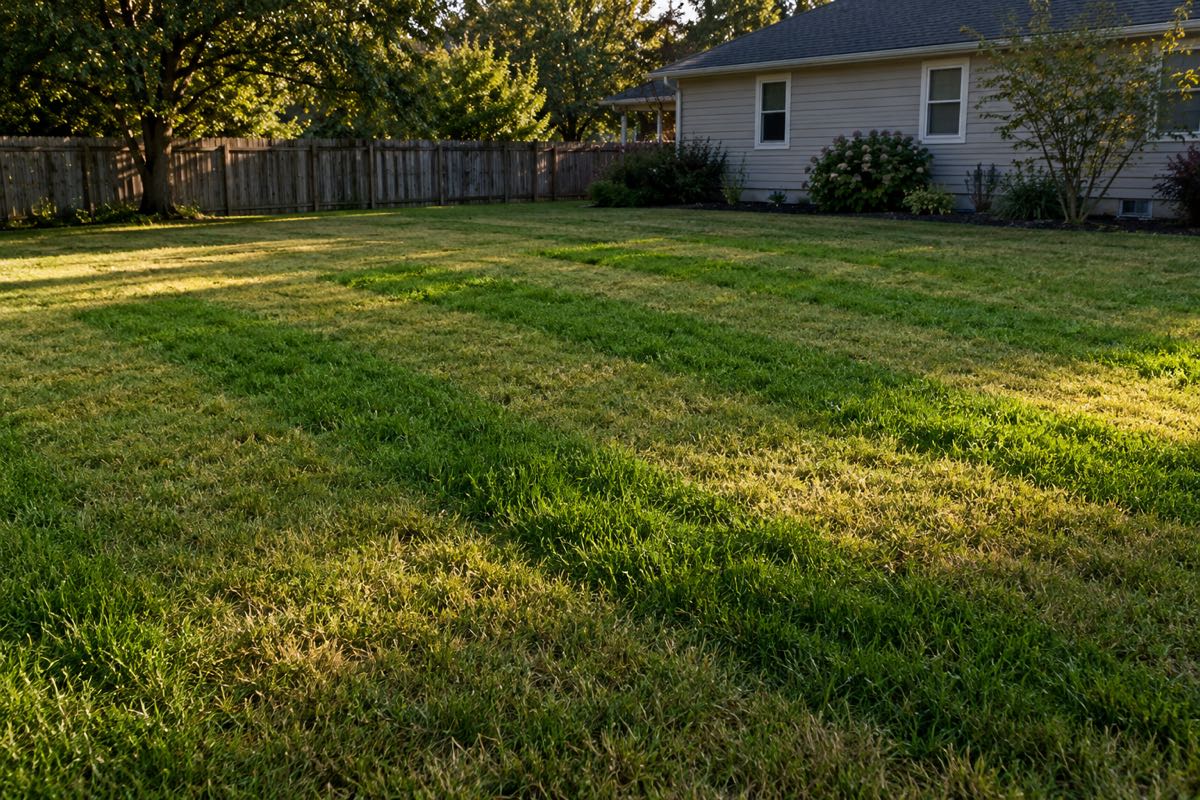
If the backup happens during or after heavy rain, tell the contractor. Clemson says not to pump during or just after heavy rain events, because pumping an underground tank sitting in saturated soil could cause it to float. SC DES says the same and adds that pumping while the soil is saturated can send mud and silt into the tank. The longer story is in heavy rain and your septic system.
What to tell the contractor on the phone
Have these ready:
- When the backup started and which drains are affected.
- Whether you've had heavy rain, flooding or a lot of laundry.
- When the tank was last pumped, if you know.
- Where the tank is. If you don't know, say so.
- How many people live in the house.
- Whether there's sewage on the ground in the yard.
After the problem is fixed
Ask the contractor what caused it and what to change. Then fix the habits that led to it. What not to flush and drain field mistakes, ranked cover the usual ones. Keep a record of the service, including the date, the contractor's name and what they did. Clemson recommends doing this after every visit.
Then put a pump and inspect date on the calendar. SC DES and Clemson say to inspect every one to two years and pump every three to five.