Drain field mistakes, ranked by how hard they are to undo
Six common ways to damage a drain field, ordered from hardest to easiest to reverse.
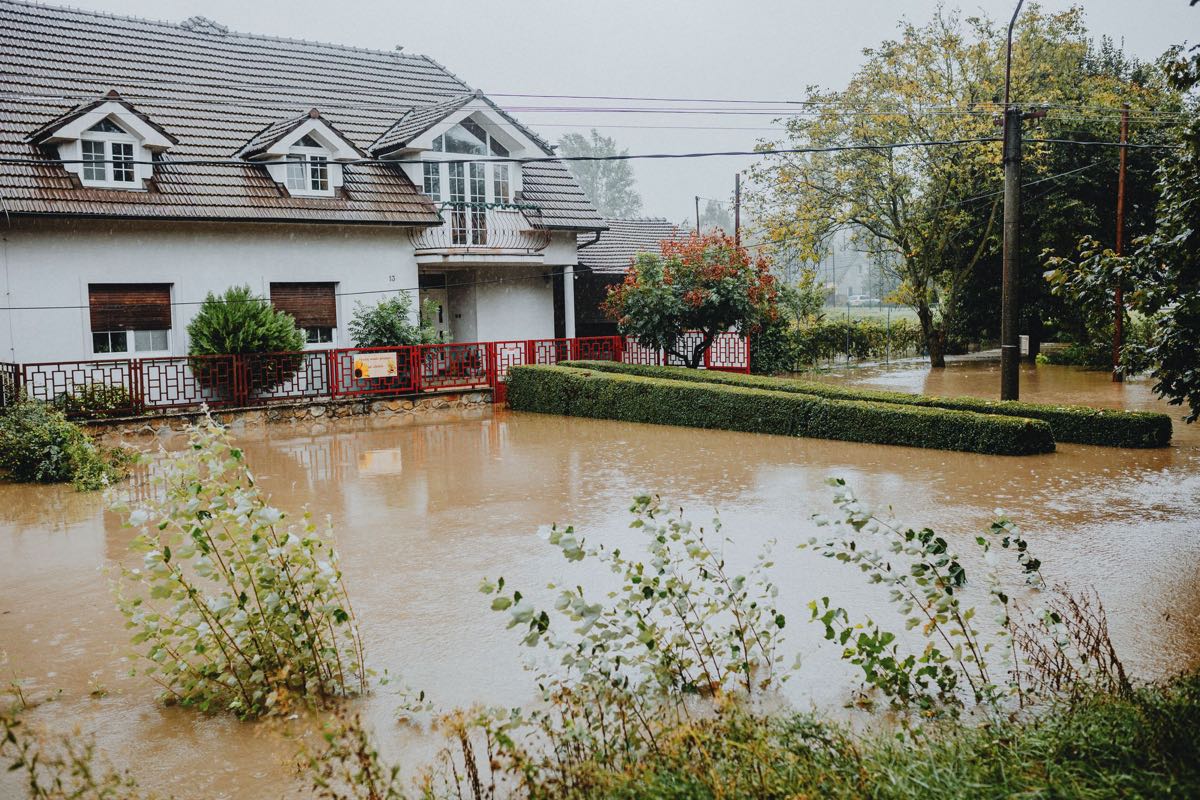
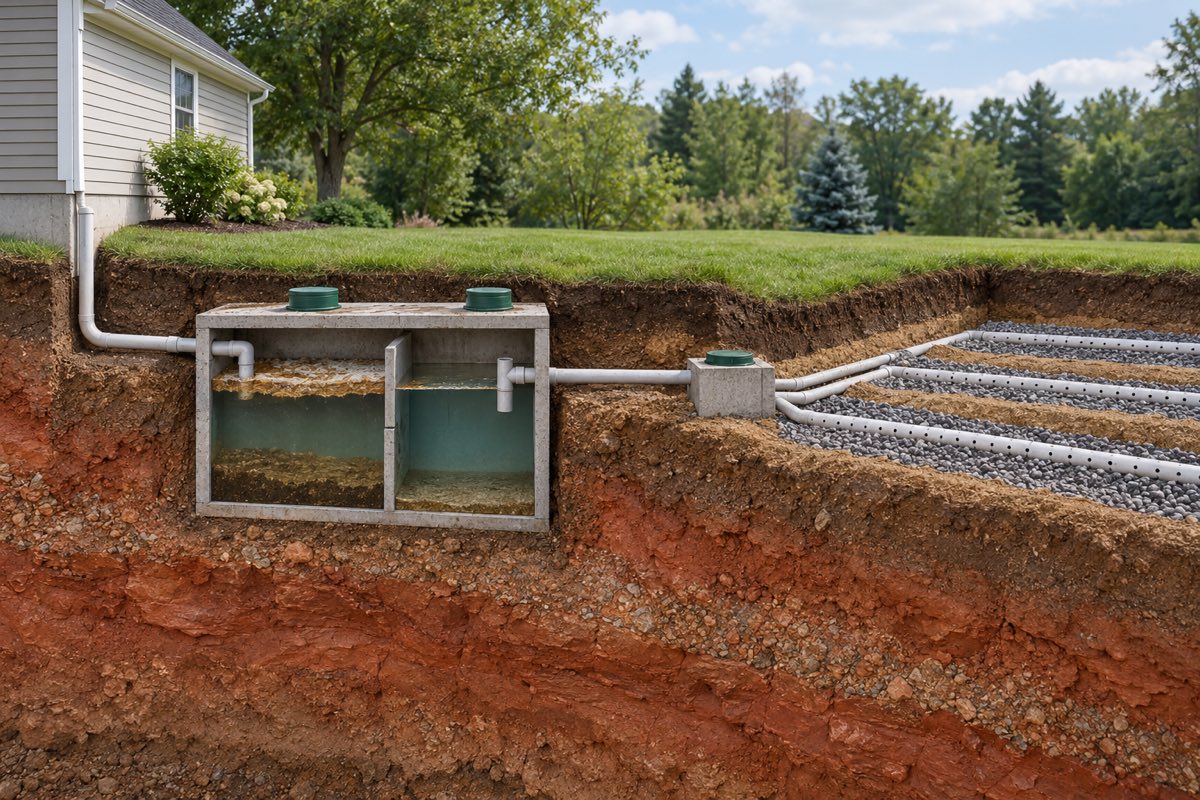
The tank is the part of a septic system that gets attention. The drain field is the part that costs real money when it fails, and it fails quietly. SC DES says that when solids clog the gravel and soil, wastewater can back up into the house or rise out of the ground.
Here are six ways owners damage one, ranked from hardest to easiest to fix. The order is our judgment, built from what Clemson Extension, the EPA and SC DES say about each problem. The sources don't rank them, so treat it as a way to decide what to protect first.
1. Driving or parking on it
This is first because compaction is the hardest damage to reverse. SC DES says vehicles can break the tank lid and pipes and compact the soil, which restricts the oxygen that the bacteria in the drain field need. The EPA's homebuyer guide says to keep your car and anything heavier than your lawnmower off the field. Clemson says to use markers or a barrier so no one parks or stores equipment there.
What to do: know where the field is, and mark it. SC DES suggests a birdbath or a decorative rock over the tank lid, and a barrier so nobody drives over the field. Tell lawn crews and delivery drivers where not to go.
2. Skipping the pump-outs
Solids that aren't pumped don't disappear. SC DES says that when solid waste builds up too high it can be forced out of the tank and into the drain field, where it clogs the gravel and soil. Clogged gravel and soil are hard to undo, which is why a skipped pump-out can turn a routine maintenance bill into a repair or a new field. See how often to pump a septic tank for how to set your schedule.
3. Sending too much water to the field
A drain field can only treat so much water per day. SC DES says to divert downspouts and irrigation sprinklers away from the field, and Clemson says to limit irrigation and rainfall saturation. Inside the house, the EPA and SC DES both recommend spreading laundry out, fixing leaks and using efficient fixtures. A running toilet can waste as much as 200 gallons a day, according to the EPA.
This one ranks lower because it's usually reversible. Soil that's been saturated can recover, and that's why SC DES tells flooded-system owners to cut water use until the system recovers. More on that in heavy rain and your septic system.
4. Planting trees and shrubs nearby
Roots go looking for water, and a drain field has plenty. The EPA says to plant trees away from the field because roots can clog it and make the system fail. Clemson's landscaping fact sheet gives distances: at least 20 feet for trees, since roots can reach two to four times the width of the canopy, and at least 10 feet for shrubs. It lists willows, red and silver maples, beeches, birches, elms and poplars as trees to avoid.
Fixing it can mean removing the tree, and roots that have already entered the lines can mean pipe repair.
5. Digging, building and gardening over it
SC DES says not to dig, build or plant anything other than grass over the drain field. Clemson says drain lines may be only 6 inches deep, so even tilling can hit them. It also advises against vegetable gardens on a field, and the EPA says the same about exposure risk.
If you're planning a shed, a patio, a pool or a fence, find the field first. A contractor can help locate it, and your septic permit may have a drawing.
6. Smothering it with mulch, soil or shade
This is the easiest to fix and the easiest to overlook. Clemson recommends turfgrass as the best cover for a drain field, and says to keep mulch layers thin so the soil can evaporate water and avoid piling extra soil on top. It also advises against dense canopies that shade the ground and trap debris, and to keep sprinkler heads at least 10 feet away from the field.
Clemson's list of other fine plants includes shallow-rooted perennials, wildflowers and fibrous-rooted ornamental grasses such as switchgrass, bluestem and sedges, though it says turf is the better choice.
How to protect the field in practice
A short list covers most of it:
- Find the tank and the field, and draw a simple map from fixed points like house corners.
- Mark the field so cars, mowers with heavy attachments and contractors stay off.
- Keep turf on it and keep trees and shrubs at the distances above.
- Point downspouts and sprinklers elsewhere.
- Pump and inspect on schedule.
SC DES says to also note the position of your drinking water well on that same map. If you have one, well and septic homes in Spartanburg County is worth a read.
Signs you've already got a problem
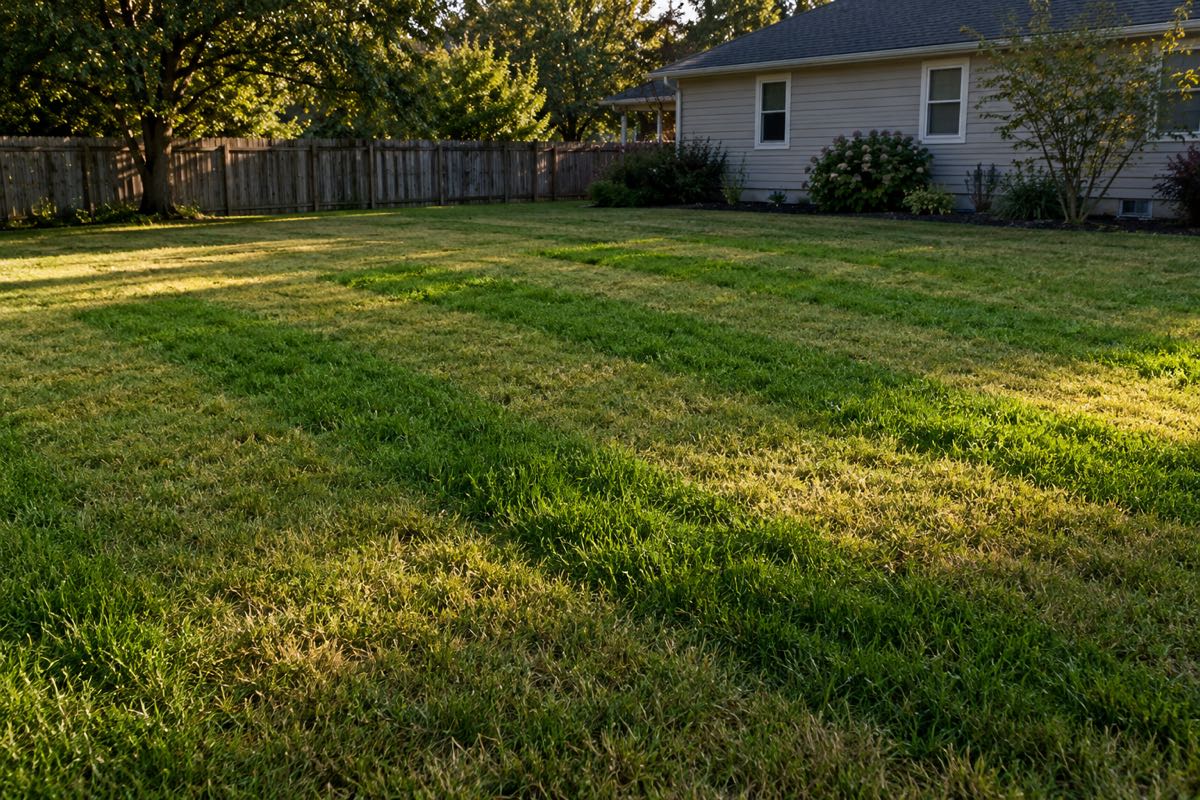
Soggy ground, a sewage smell, or grass that's much greener and spongier over the field than elsewhere all point to the field. Clemson also lists dead patches and a tank visible above ground. If you see any of these, don't wait for the next scheduled pump-out. Call a septic professional.