What not to flush or pour into your septic system
The things that clog the system, the things that kill its bacteria, and the products that promise to help and don't.
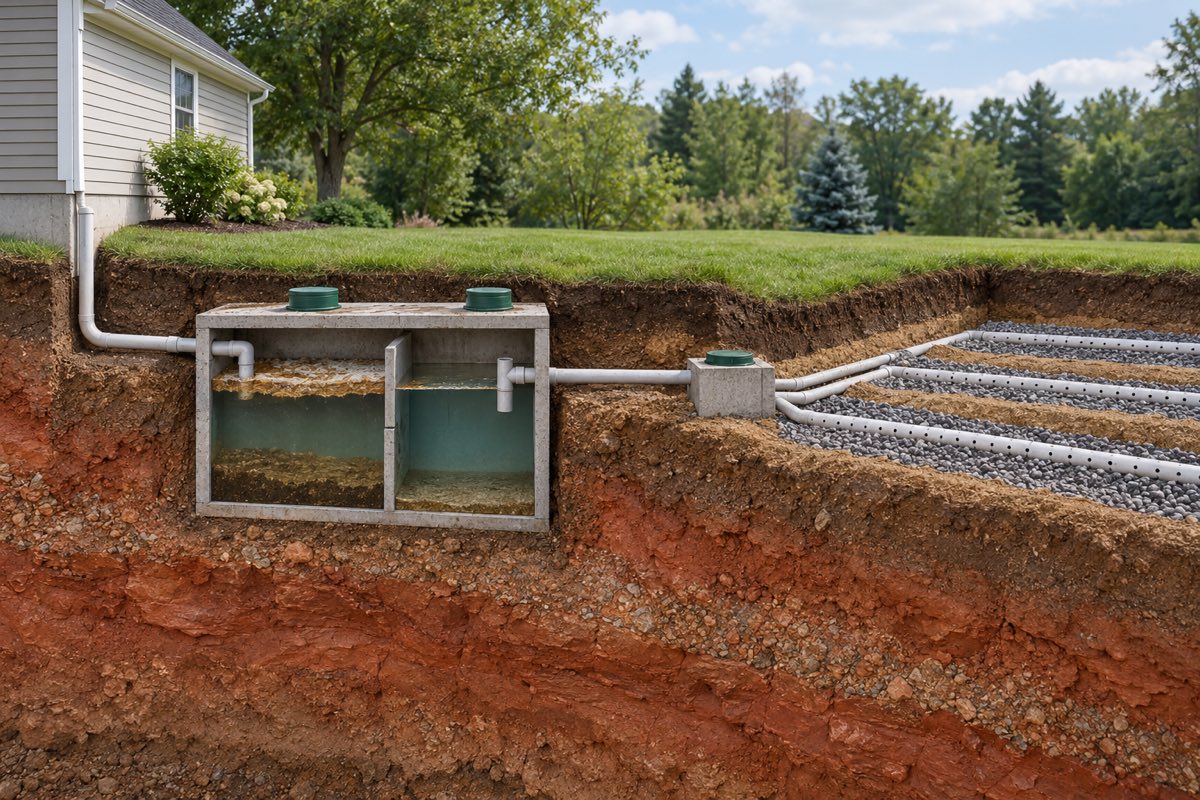
The EPA's rule for septic systems fits on one line: your septic system is not a trash can. Only wastewater, human waste and toilet paper belong in it. Everything else either piles up in the tank or does damage on its way through.
The EPA's homebuyer guide splits the problems into two groups. There are things that clog the system, and things that kill the bacteria that treat the wastewater.
Things that clog the system
These don't break down in the tank, so they add to the sludge and scum, or they travel out to the drain field and plug it.
- Wipes, including the "flushable" kind. SC DES says to keep towelettes out even if they're sold as flushable, and Clemson lists flushable wipes too. Baby wipes, cleaning wipes and makeup wipes go in the trash too.
- Grease, fats and cooking oil. The EPA and Clemson both say to keep fats, oils and grease out of every drain that leads to the tank. In a tank, grease floats and becomes part of the scum layer.
- Paper towels. Clemson and the EPA both list them, and they don't belong in the toilet even though they look like toilet paper.
- Feminine hygiene products, condoms, diapers and dental floss. The EPA, Clemson and SC DES all list these.
- Cat litter. The EPA, Clemson and SC DES all name it.
- Coffee grounds. The EPA and SC DES both list them.
- Cigarette butts. They're on the EPA's list too.
Things that kill the bacteria
The tank relies on bacteria to digest solids. The EPA names household chemicals, gasoline, oil, pesticides, antifreeze, paint and high amounts of anti-bacterial soaps and detergents as things that can kill those microbes.
- Paint and paint thinner. Take them to a household hazardous waste drop-off.
- Medicines. The EPA and SC DES both say to keep pharmaceuticals out of the system. Don't flush leftover pills.
- Pesticides, gasoline and motor oil. The EPA lists all three as household chemicals to keep out.
- Strong cleaners in large amounts. SC DES says to use commercial bathroom cleaners and laundry detergents in moderation, and suggests a mild detergent or baking soda for cleaning toilets, sinks, showers and tubs.
Drain openers
Chemical drain openers are easy to reach for when a drain is slow. SC DES says not to use caustic drain openers on a clogged drain, and to use boiling water or a drain snake instead. Clemson lists chemical drain openers among the things to keep out as well.
Products that promise to help
Store shelves have septic treatments, tablets and powders. Skip them.
- SC DES says you don't need monthly or occasional additives. They may do more harm than good, and they don't replace regular pumping. Some products can push solids and grease out of the tank into the drain field.
- The EPA says additives are not recommended for household wastewater, because healthy bacteria are already in the system.
- Clemson adds yeast, sugar and raw meat to the list of things never to add. The tank already has all the bacteria it needs from the household's own waste.
The garbage disposal
A garbage disposal isn't on a ban list, but it has a cost. SC DES says a disposal adds up to 50 percent more solids to your tank, so the tank needs pumping more often. The EPA recommends eliminating or limiting its use. If you keep the disposal, expect shorter pump intervals. See how often to pump a septic tank.
Water softeners and pool water
Two more entries from the agency lists are easy to miss. SC DES says to make sure a water softener isn't plumbed to wash back into the septic tank. Clemson lists water softeners and pool or hot tub water among the things to keep out.
Laundry and water volume
What you flush matters, and so does how much water goes through. SC DES says up to 53 gallons of water can flood your septic system with each load of laundry, so spreading laundry over the week is easier on the drain field than doing it all on Saturday. Fixing leaky faucets and toilets helps for the same reason. The EPA says high-efficiency toilets use 1.6 gallons or less per flush.
A quick rule you can use
If you're about to put something in a toilet or drain and you can't say whether it's wastewater, human waste or toilet paper, it probably doesn't belong there. Put it in the trash.
What if something already went down the drain
One flushed wipe won't destroy a system. Years of them can. If you've been using wipes, grease or chemicals for a long time and you've noticed slow drains or odors, have the system looked at. 5 signs your septic tank needs pumping lists what to watch for.