Living with a well and a septic system in Spartanburg County
Your drinking water and your wastewater share the same yard. The distances, the testing and the flood steps.
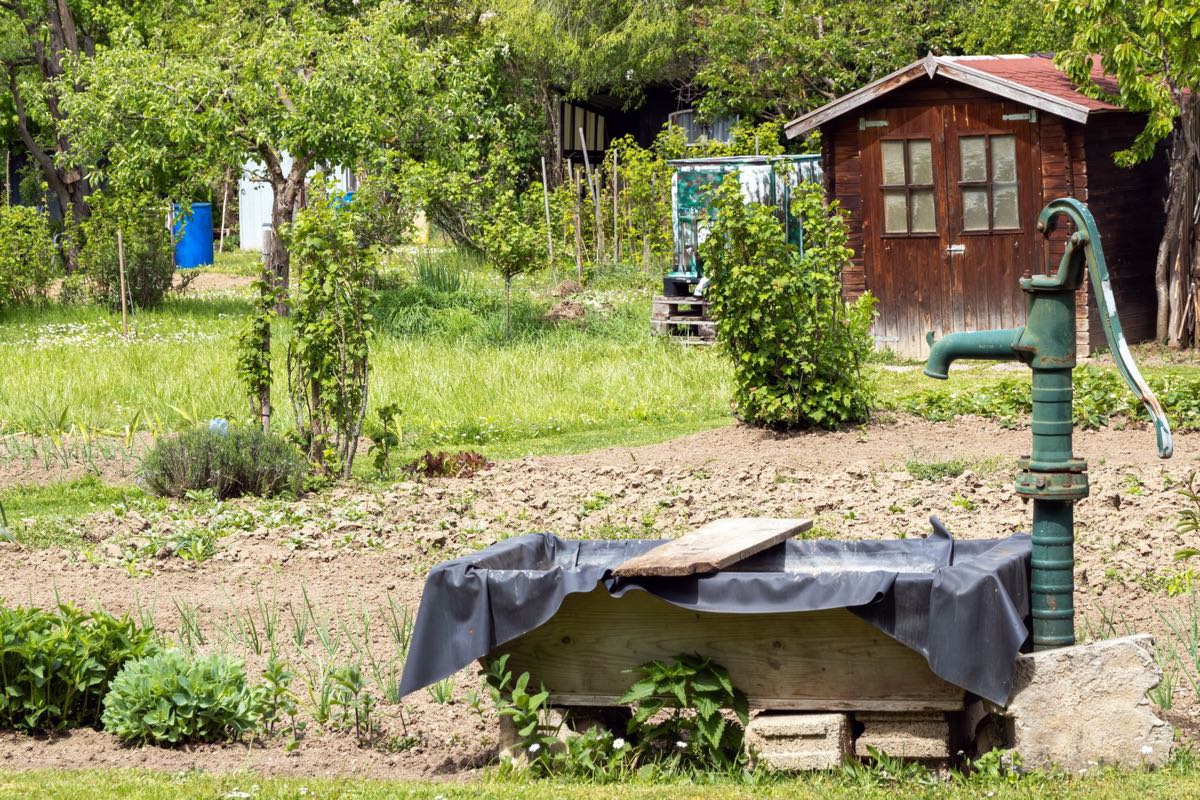
Many homes outside the sewer lines in the Upstate have both a private well and a septic system. One supplies drinking water. The other puts used water back into the ground a short distance away. That arrangement works fine when both are looked after, and it's why they should be thought of together.
How far apart they have to be
SC DES lists the separation distances a septic system needs when it's permitted. A private well needs 75 feet. A public well needs 100 feet. Other distances on the list are 75 feet from surface water, 25 feet from a drainage ditch, and 5 feet from buildings and property lines. Clemson Extension gives the same 75 feet between a septic system and a private well.
If you're buying a home, ask where each one is and measure what's there. Buying a home with a septic system in Spartanburg County has more questions to ask.
Why a failing septic system matters to a well
Clemson says that when a septic system fails, untreated sewage goes where it shouldn't, and can reach well water. The EPA's list of failure signs includes high nitrate and coliform levels in water, which is how a problem sometimes shows up first in a lab test instead of in the yard.
That's one reason SC DES advises marking your drinking water well on the same sketch you keep with your septic records. A contractor who knows where the well is can plan around it.
Testing the well
The EPA recommends testing a private well every year for total coliform bacteria, nitrates, total dissolved solids and pH. It also says to test sooner if there's a change near the well, a repair or replacement of well parts, or a change in how the water tastes or looks. The EPA lists recurring stomach illness in a household as another reason to test.
In South Carolina, SC DES says well owners can pick up a sample kit from a local SC DES regional office or health department. There are two kits: one for coliform bacteria and one for metals and minerals. Clemson's guide to testing drinking water lists commercial labs certified in the state as another option.
Two cautions from SC DES's own page:
- SC DES does not regulate the water quality of private wells. Keeping the water safe is on the owner.
- SC DES recommends that its tests not be used for real estate transactions. If you're buying or selling, ask a certified commercial lab about a test meant for that.
Keeping both healthy
A few habits protect both.
- Know where the well and the septic system are. SC DES recommends keeping a sketch of both with your records.
- Keep your septic system pumped and inspected. How often to pump a septic tank has the numbers.
- Keep chemicals out of the septic system. The EPA says not to put harsh chemicals, solvents, petroleum products or pesticides in a septic system. See what not to flush.
- Slope the ground around the well so surface runoff drains away from it, and keep a sealed well cap on, as the EPA advises.
- Test the water once a year.
After a flood or a septic problem
Flooding is the situation where well and septic problems overlap. SC DES says that if your well was not flooded, its water is likely unchanged and no action is needed. If the well was flooded:
- Use bottled water or boiled water for drinking and cooking until the well has been disinfected and tested.
- Disinfect the well with unscented household bleach. SC DES gives steps on its website, including pouring a gallon of bleach into the well casing and waiting 6 to 24 hours before using the water. Follow the SC DES instructions rather than a summary.
- Test the water about 7 to 10 days after disinfection, as SC DES recommends.
SC DES runs a private well hotline for questions, and the EPA's flood guidance for septic systems says to test well water before drinking it after a flood. For the septic side, see heavy rain and your septic system.
If your tests come back with a problem
A positive coliform result doesn't point to your septic system by itself. Coliform bacteria are common in the environment, and SC DES says they are generally not harmful. If the sample then tests positive for E. coli, SC DES says that's a more serious finding because those germs can cause illness. Either way, treat the result as a reason to look at the whole picture: the well's condition, the septic system's condition and the distance between them.
Have the septic system inspected if it's been a while. If you're not sure when it was last pumped, 5 signs your septic tank needs pumping lists what to look for in the meantime.